Smart building networks require coordinated design, clear documentation, and disciplined commissioning to support secure, scalable commercial operations.
.
As the audiovisual landscape continues to evolve, staying updated with the latest trends and technologies is crucial for professionals in the field. This section will delve deeper into recent advancements in AV design, showcasing examples of innovative installations and how they enhance user experience.
Consider the rise of AI (Artificial Intelligence) and virtual reality (VR) in AV design. Companies are now incorporating AI and VR technologies in their projects, allowing users to immerse themselves in environments before physical implementation. For instance, architectural firms are using AI and VR to give clients a walkthrough of their projects, ensuring that the final design aligns with their expectations.
Furthermore, smart technology integration is becoming increasingly prevalent. From automated lighting systems to remote-controlled audio installations, the incorporation of smart technology not only enhances functionality but also boosts user engagement. For example, conference rooms equipped with automated AV systems allow for a seamless transition between presentations, making meetings more efficient.
Another significant trend is sustainability in AV design. Many companies are making concerted efforts to utilize eco-friendly materials and energy-efficient technologies. This commitment not only reduces the carbon footprint but also appeals to environmentally conscious clients. Case studies, such as those involving LEED-certified buildings, highlight the effectiveness of integrating sustainable practices in AV design.
The importance of collaboration among stakeholders has also increased. AV professionals, architects, and interior designers are now working closely together from the project’s inception to ensure that the AV solutions fit seamlessly within the overall design. This collaborative approach has led to more innovative and aesthetically pleasing results.
In conclusion, keeping abreast of the ‘Latest Articles from AVCPrinciples’ enables professionals to harness these trends effectively, ensuring they remain at the forefront of the AV and ICT design industries.
Smart building networks require coordinated design, clear documentation, and disciplined commissioning to support secure, scalable commercial operations.
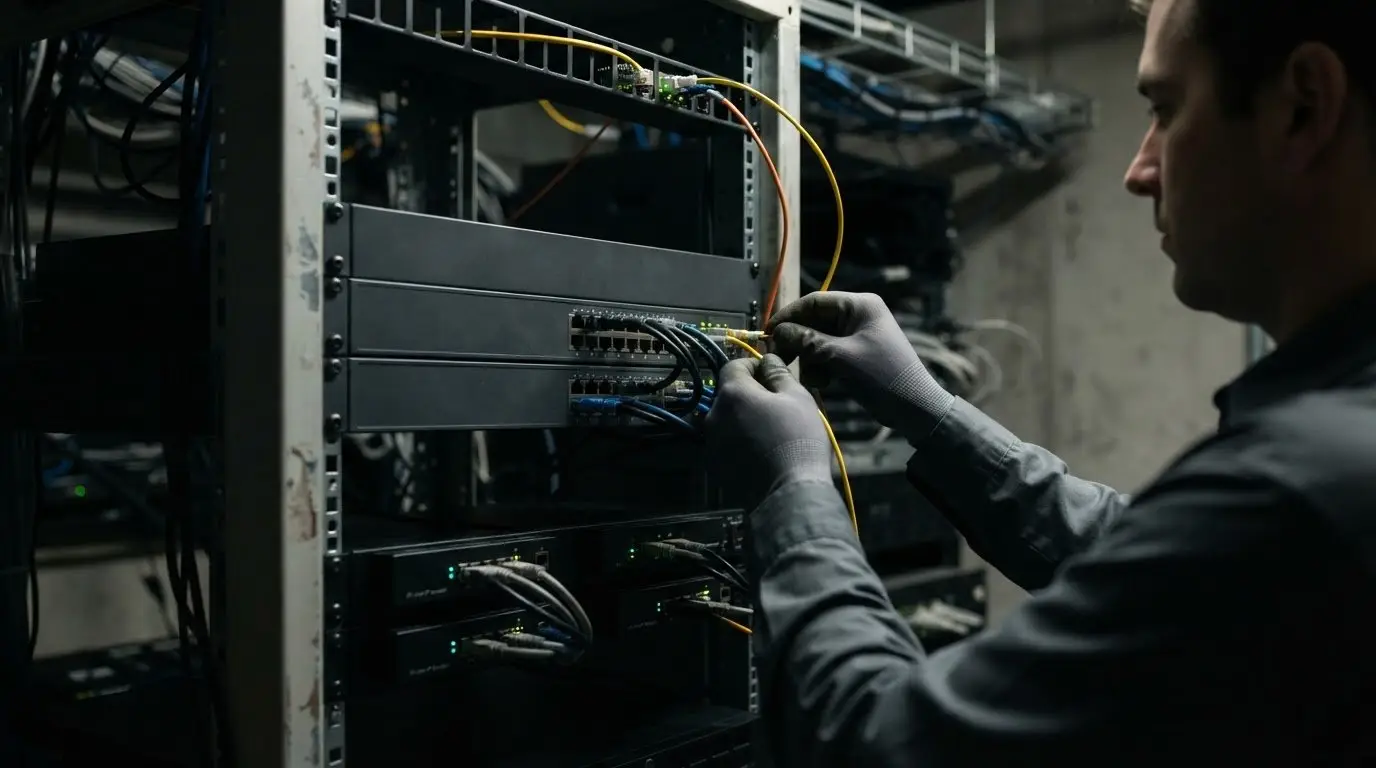
A basic network switch can connect devices, but it may not provide the traffic controls a commercial AV system requires. AV over IP network design...

Bid administration protects AV and ICT scopes from qualification gaps, unclear substitutions, and avoidable change orders before construction work begins.
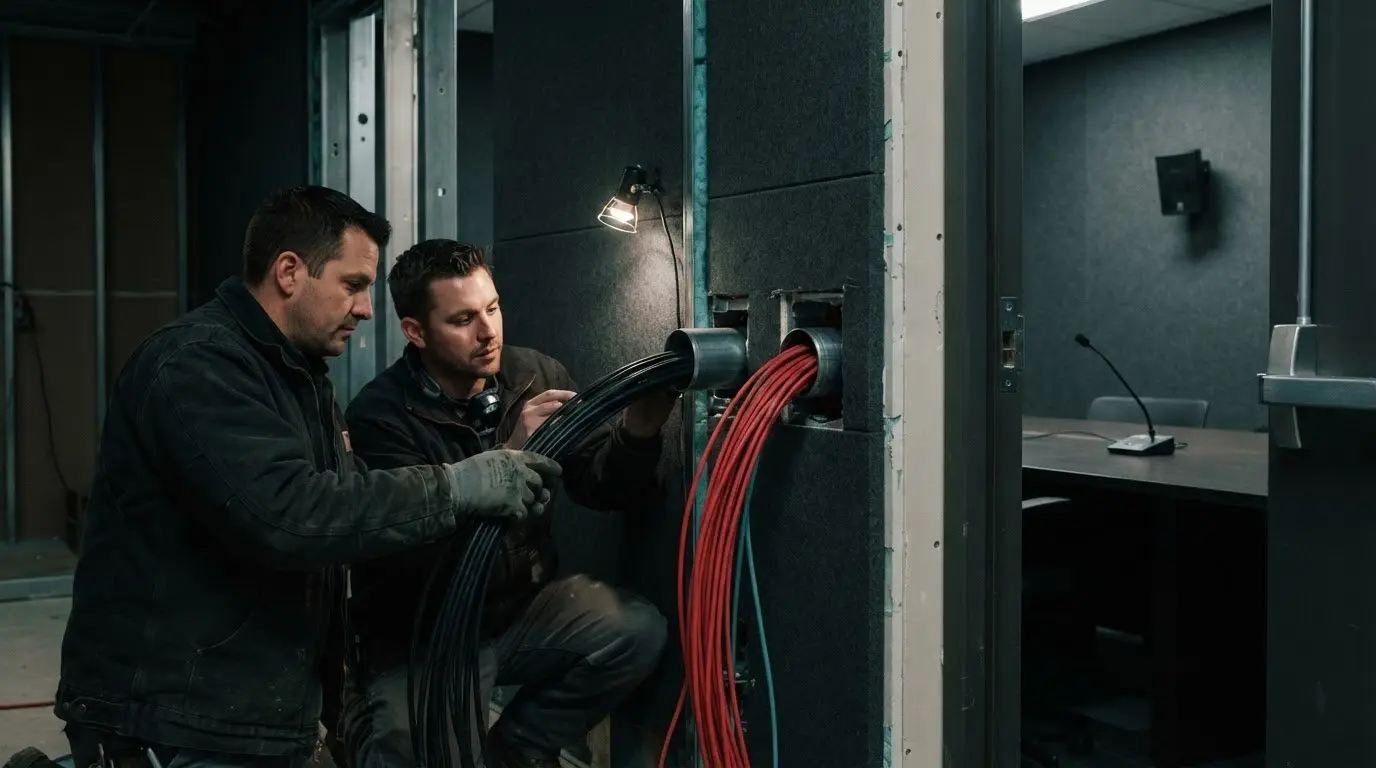
A SCIF is not a standard meeting room with added access controls. It’s an accredited area, room, or building used to handle Sensitive Compartmented...
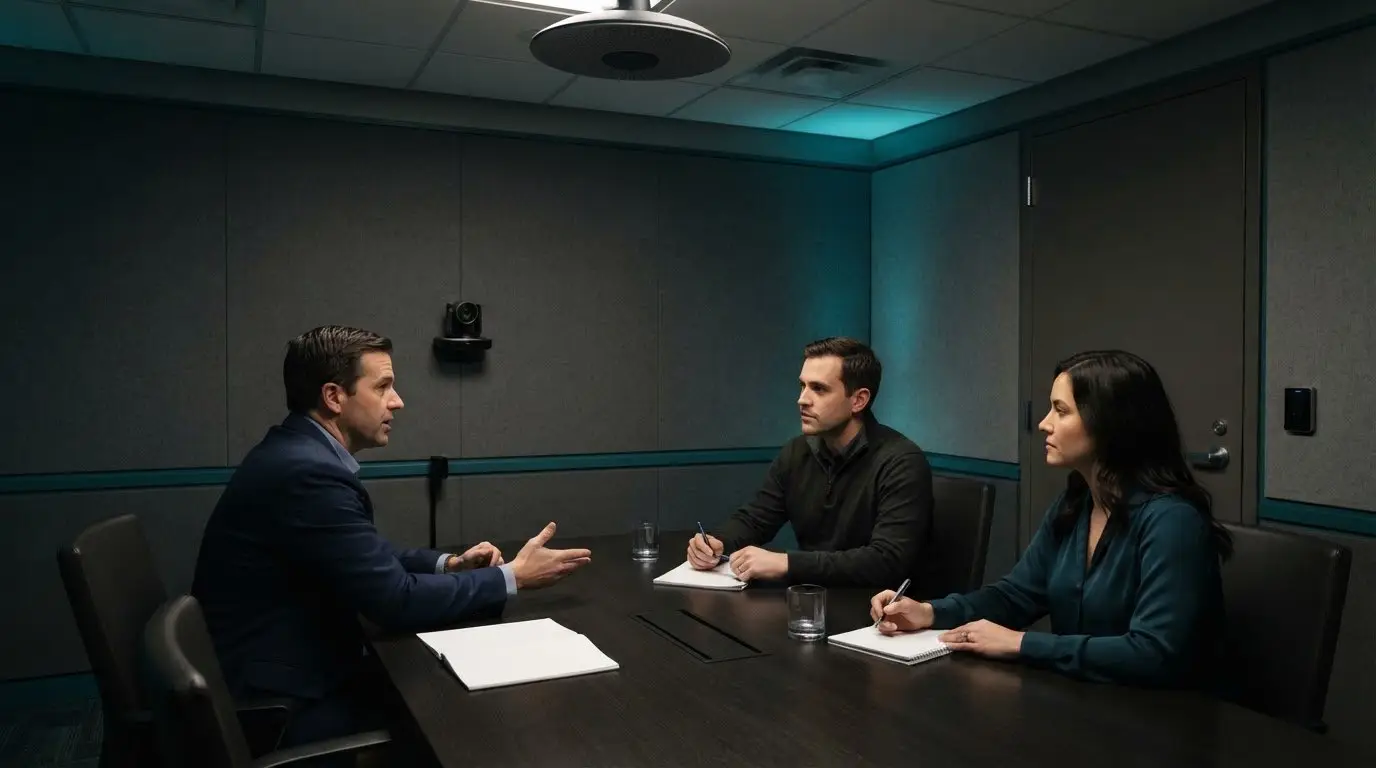
A secure meeting room is only as resilient as the systems that carry, control and store its conversations. Secure government video conferencing...

When is technology commissioning? Learn when AV, ICT, and low-voltage systems should be tested, verified, documented, and accepted before final occupancy.
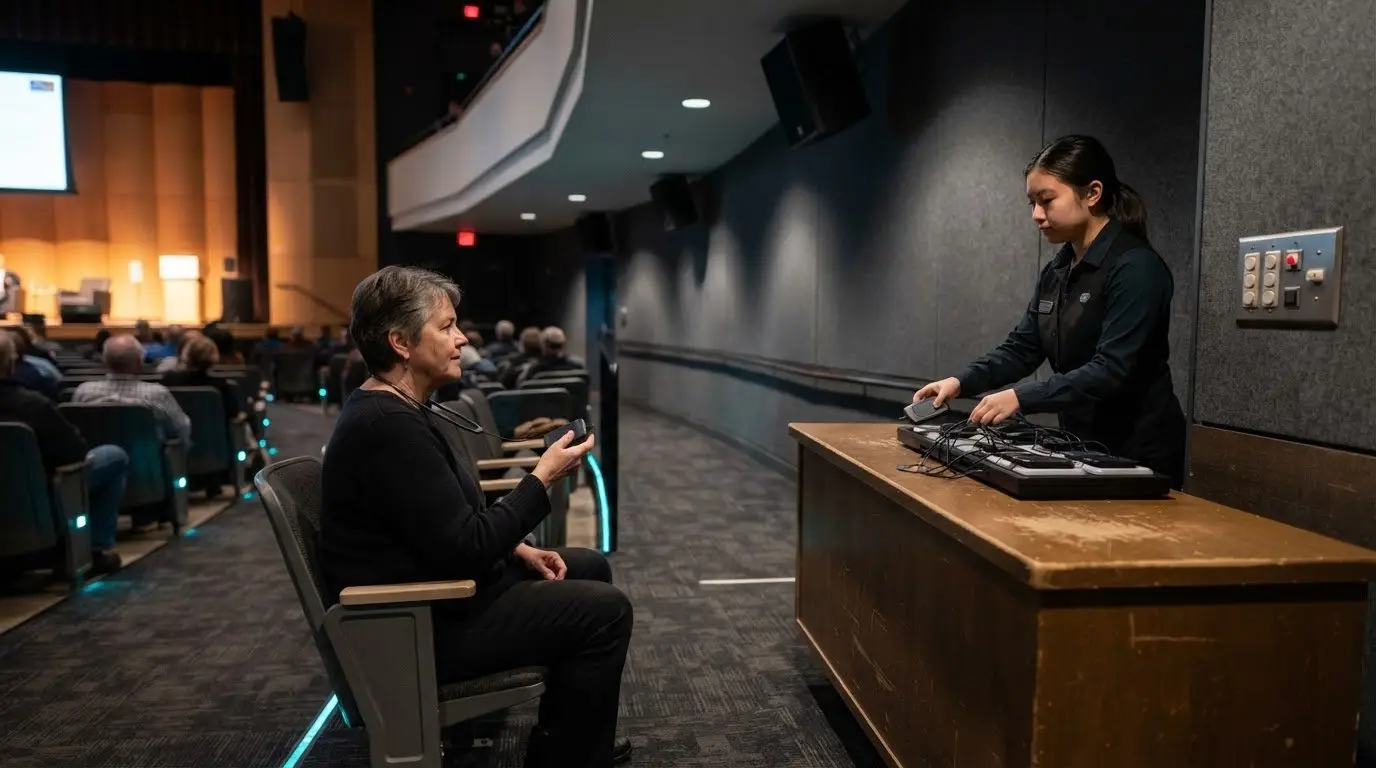
Accessible AV is part of a public venue’s access plan, not just its presentation infrastructure. ADA compliance for AV systems in public venues...
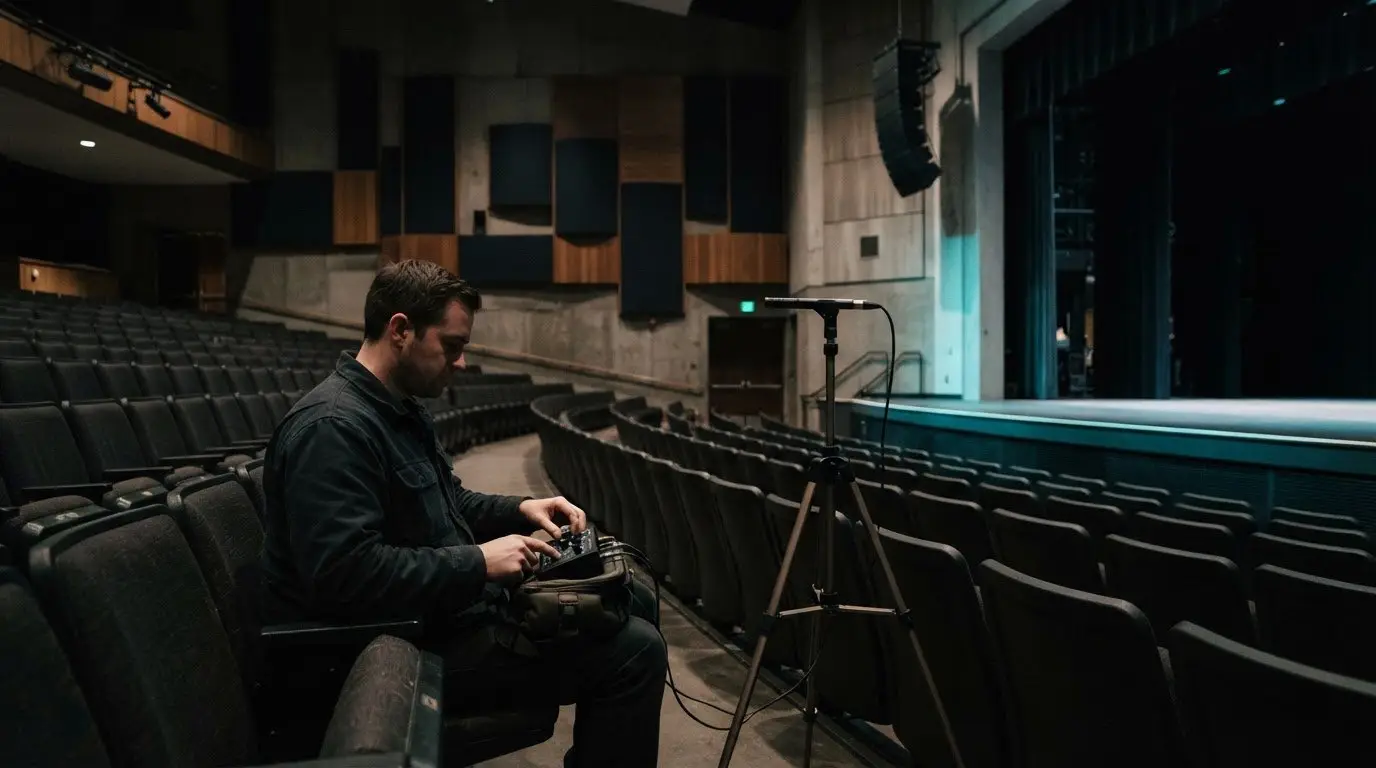
A sound system can be loud across an auditorium and still leave speech difficult to understand. Improving speech intelligibility in auditoriums...
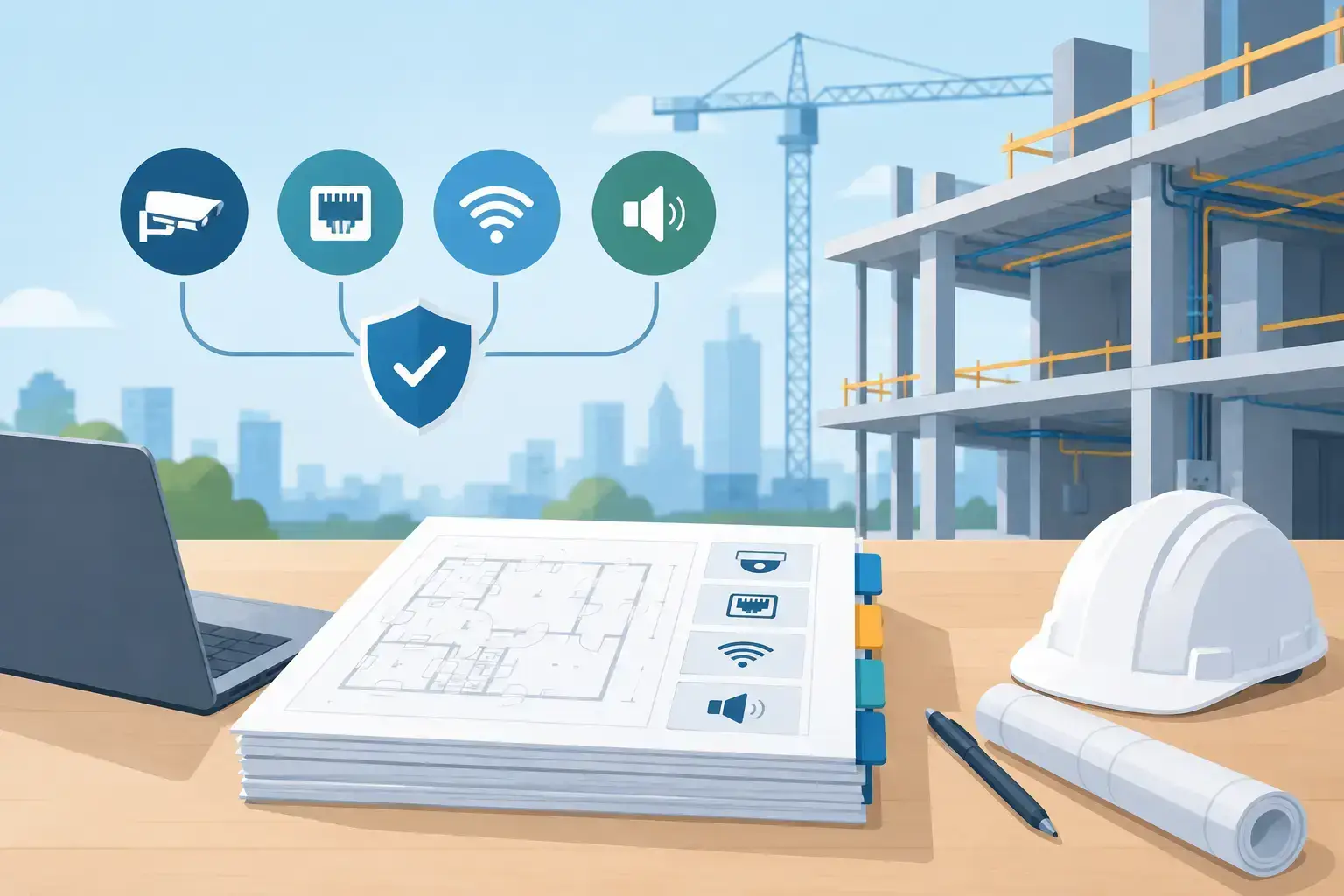
Low voltage submittals turn approved design intent into installable systems. Learn what to review, coordinate, and reject before field work begins on site.