
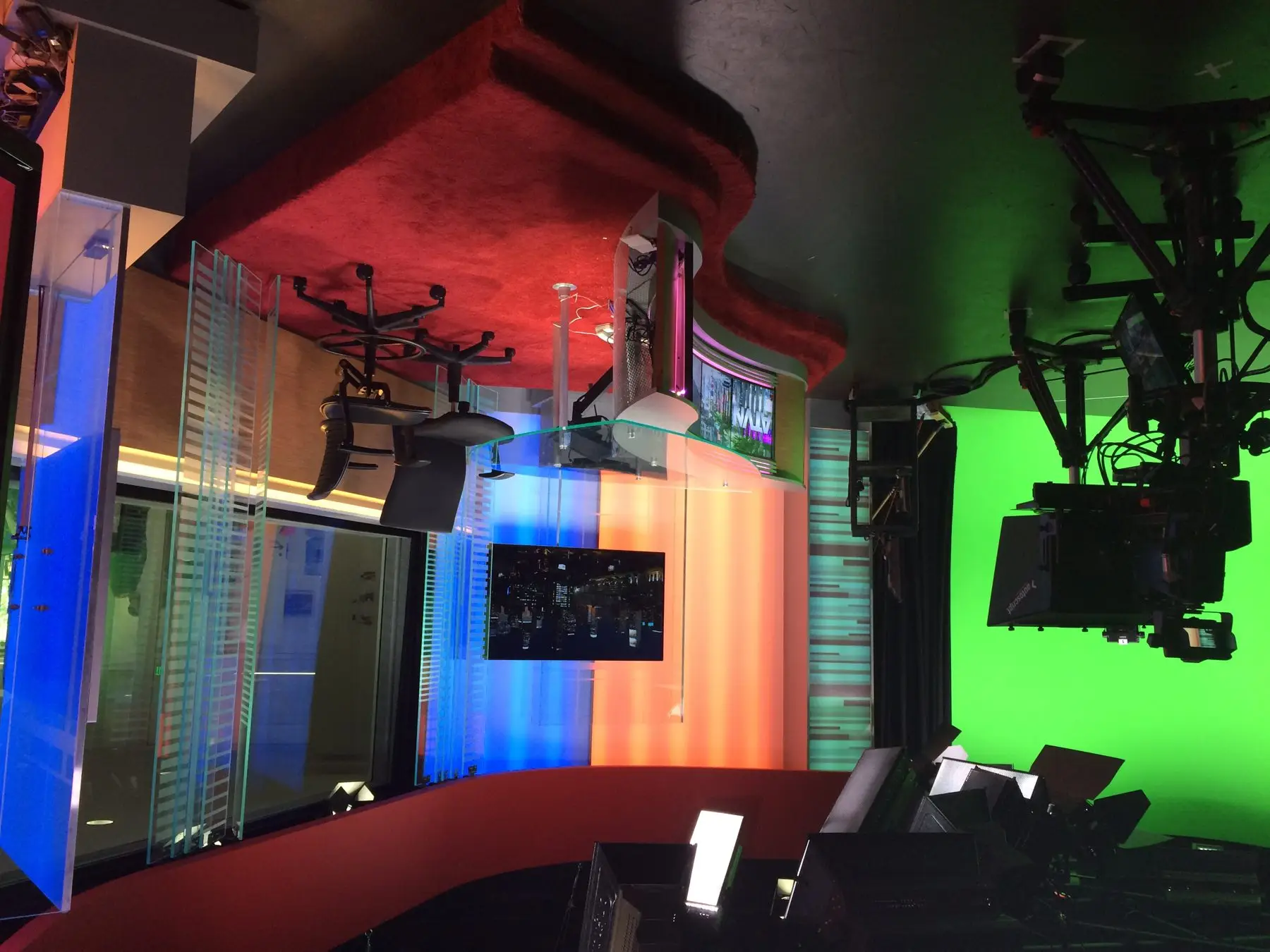
Our services focus on AV and ICT design for corporate environments, ensuring seamless integration and functionality.
In today’s corporate environment, AV and ICT systems are not just luxuries but essential components that support collaboration and enhance productivity. For instance, implementing a high-quality video conferencing system can dramatically improve communication among remote teams, ensuring that everyone is on the same page regardless of their location. These systems contribute to creating a more inclusive workplace, as they allow employees to participate actively in meetings.
Additionally, consider how sound management in open office spaces can impact employee productivity. Sound masking solutions can help reduce distractions, allowing employees to focus better on their tasks. Similarly, effective lighting design is crucial as it can influence mood and energy levels. For instance, using adjustable LED lighting that mimics natural daylight can promote alertness and well-being, demonstrating the importance of integrating AV systems thoughtfully.
Furthermore, exploring collaborative conferencing tools like Microsoft Teams or Zoom can bolster connectivity not only within teams but also with clients and stakeholders. These platforms provide integrated solutions, combining audio, video, and data sharing that make meetings more interactive. As companies expand their digital and global presence, investing in robust AV and ICT systems becomes imperative for fostering effective communication.
In addition to cabling, the integration of building automation systems (BAS) allows for the efficient management of lighting, heating, and cooling, which aligns with energy-saving goals. For example, occupancy sensors can be incorporated into lighting systems to automatically adjust brightness based on room usage, thus reducing energy waste. This not only enhances sustainability but also contributes to lowering operational costs for corporations.
Moreover, having a well-planned structured cabling system is crucial to support various technological needs, such as video streaming and data transfer. The advancement of smart office technologies also requires robust network design that can handle increased data loads. Regular audits of network performance can ensure that the infrastructure remains capable of supporting future growth and technological advancements.
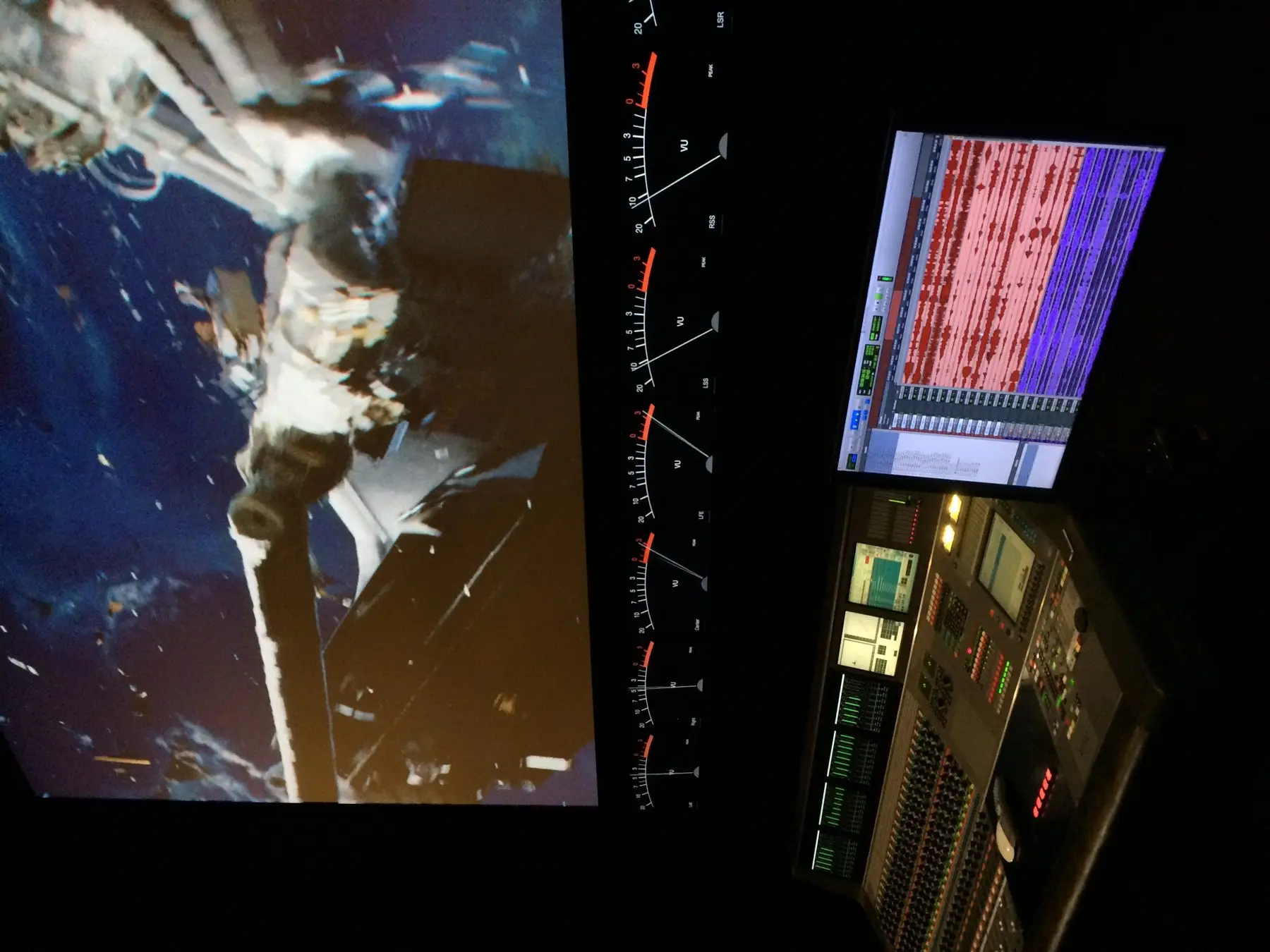
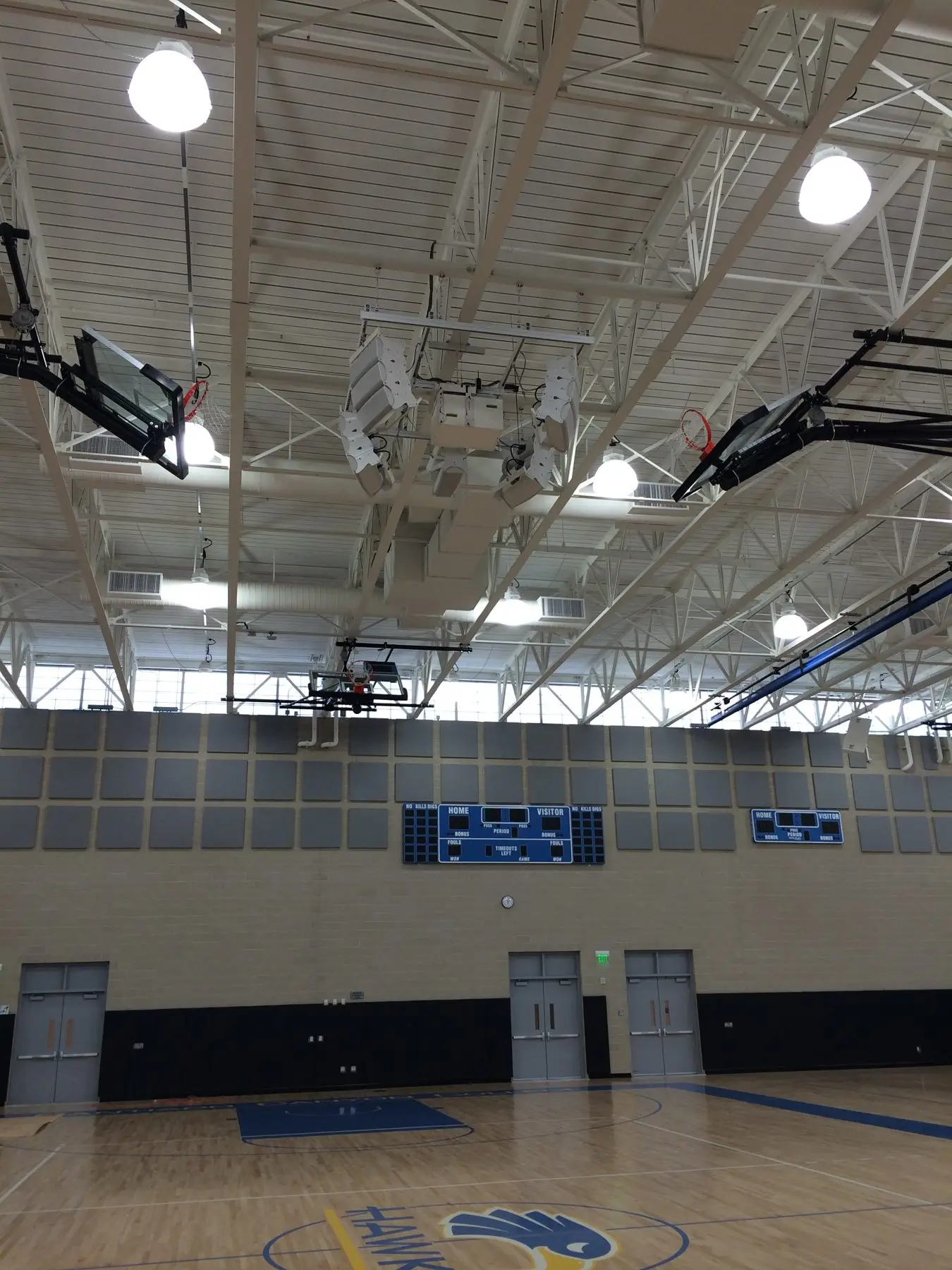
To illustrate, let’s look at a case study where a corporate office revamped its AV infrastructure. By upgrading to a central control system that integrates all audio-visual components, the organization minimized setup times for meetings and events. This not only improved operational efficiency but also enhanced the user experience, as employees could easily switch from video presentations to collaborative work without technical hitches.
Furthermore, documentation and specifications play a vital role in ensuring that projects meet industry standards and client expectations. Providing construction-ready deliverables reduces ambiguity and miscommunication, which can lead to costly errors. It’s essential to include detailed AutoCAD and Revit drawings, which not only help in visualizing the design but also serve as accurate references during the installation process.
Effective project management is another critical aspect, as it involves overseeing the project from conception to completion. For example, conducting a technology master planning session can help identify potential risks and develop mitigation strategies early on. This proactive approach ensures that any challenges are addressed before they impact the project timeline or budget.
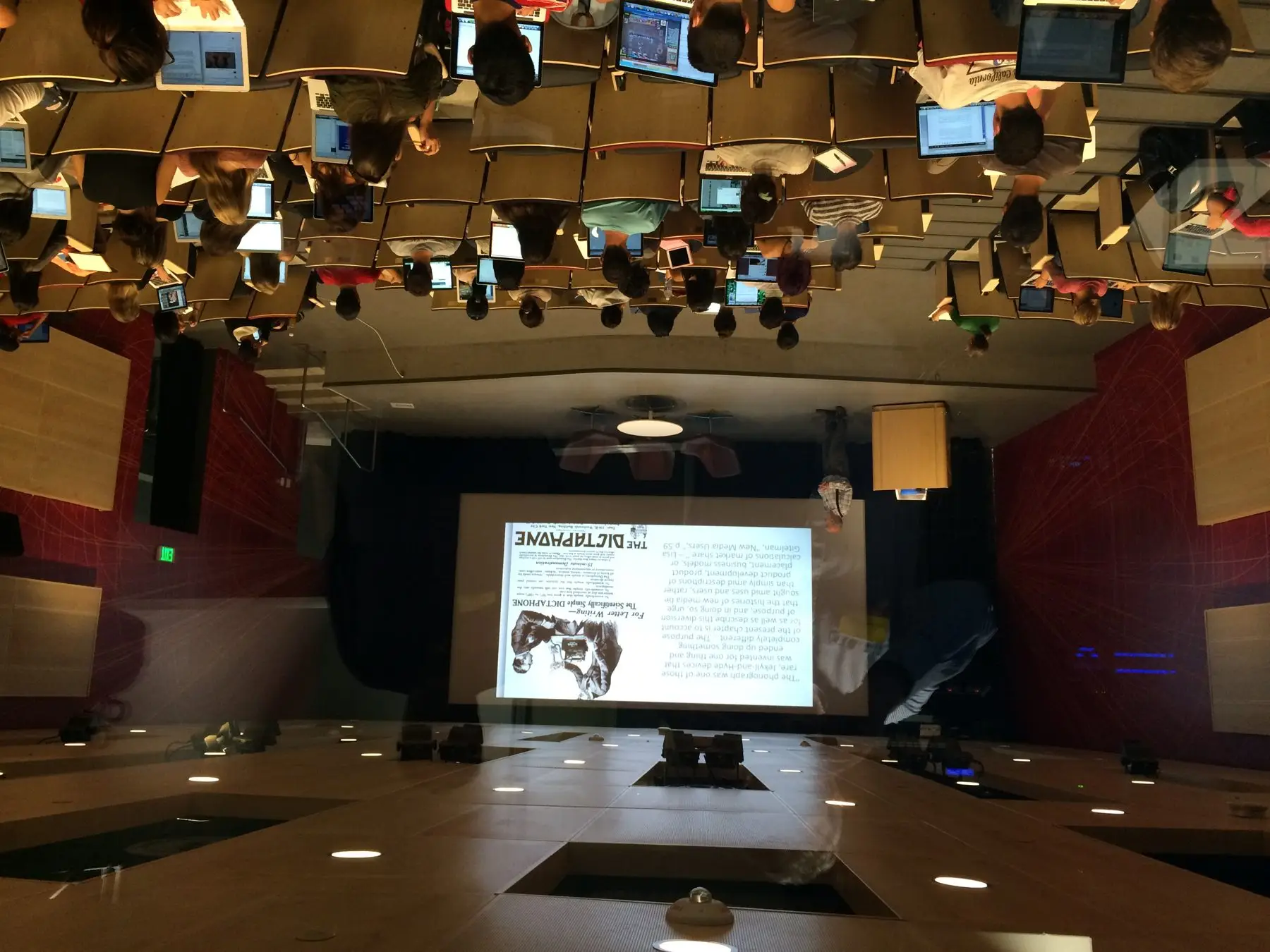
Moreover, the choice of project delivery method can significantly affect the outcome of AV and ICT designs. Each method, whether it be Design-Build or Progressive Design-Build, has its advantages. For instance, the Design-Build approach fosters collaboration between designers and builders from the outset, which can lead to innovative solutions and streamlined processes.
In conclusion, understanding the intricacies of AV and ICT design for corporate environments is crucial for creating functional, efficient, and modern workplaces. As technology continues to evolve, staying ahead of trends and ensuring that systems are tailored to meet specific needs will empower organizations to thrive in a competitive landscape. Investing in comprehensive AV and ICT solutions not only enhances workplace dynamics but also underscores a commitment to innovation and excellence.